
Out & About
Responsible Access
Stay safe, and stay legal!
It isn’t true you can go anywhere in Scotland, though a lot of people think they can.
The Outdoor Access Code says:
“You only have access rights if you exercise them responsibly.”
So you cannot invade people’s privacy, or walk across cultivated land. And it’s illegal to disturb nesting birds. These are just a few examples.
Only use the correct facilities to dispose of grey water and toilet cassettes. Doing this anywhere else is illegal: it can put public toilets out of action and may kill wildlife. So take nothing but photos, and leave nothing but footprints.
You MUST keep your dog under control. That means keeping them on a lead when they are in an area they don’t know. Even the calmest dog may run off if it’s scared, or if it spots something new, and farmers are entitled to shoot dogs who worry their animals.
The Scottish Access Code website has guidance.
Or read The Scottish Access Code itself – its long, but easy to read!

Walks and Trails
Wick is wonderful for walkers, with or without a dog. (Please keep your dog on a lead, they can get lost in a place they don’t know, and may get distracted by livestock or wildlife).
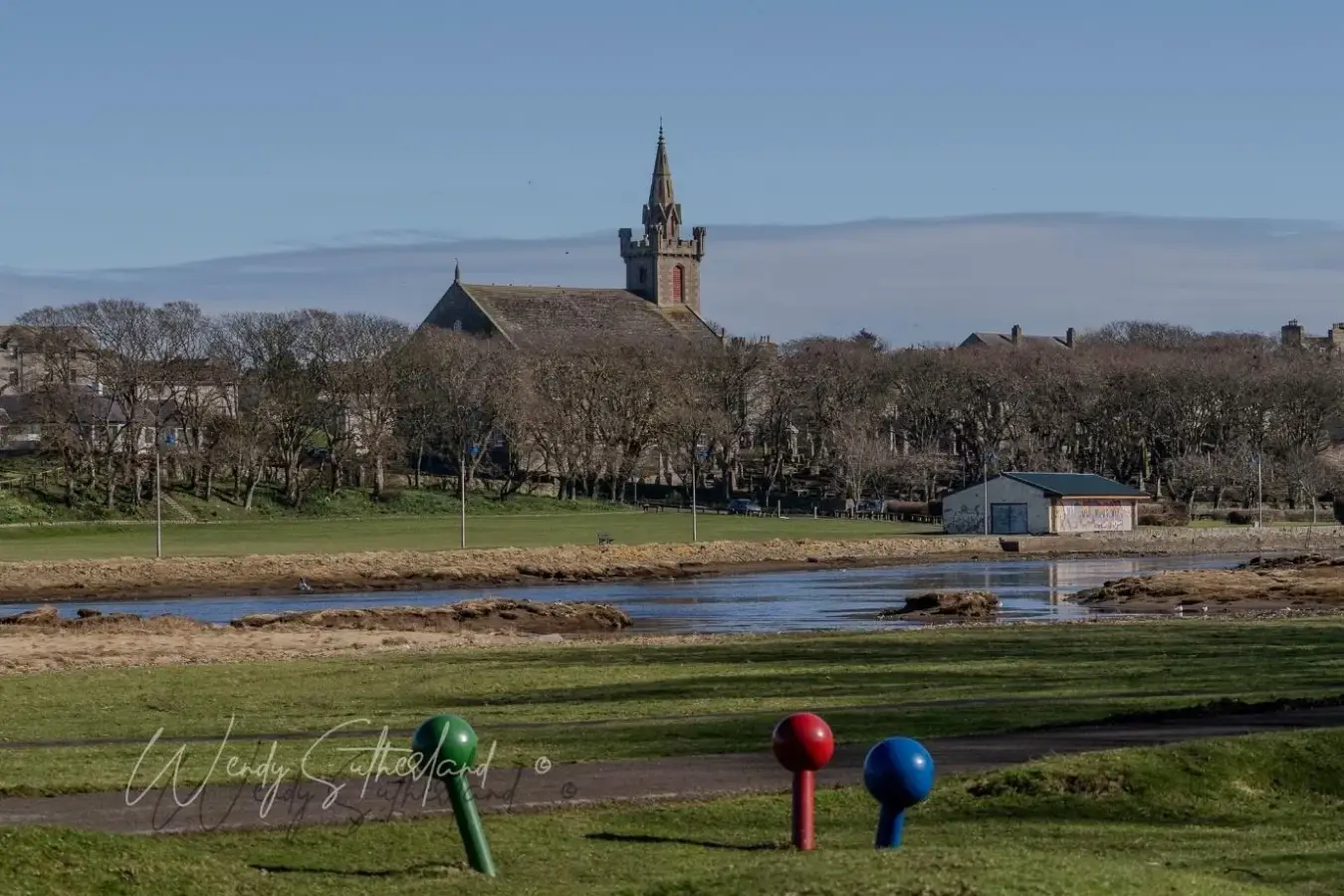
Many of the trails have notice boards telling you the history of the town. And others have maps you can download or follow online.
- Riverside Walk in Wick – a level walk of up to an hour along the river from the town centre to a wildlife viewing platform
- The Telford Trail – a forty-minute walk through historic Pulteneytown – one of Britian’s first planned industrial towns, designed by Thomas Telford to support the Herring industry.

- Caithness at War – Wick Trail – a trail with noticeboards showing the town’s World War Two heritage and its strategic importance during the War
- Caithness at War – Sinclair’s Bay Trail – a trail with noticeboards along the beaches to the north of Wick showing the impact of the Second World War on the area surrounding Wick
- Old Wick Castle – a walk along cliff-top roads to the ruined Castle of Old Wick

- Newton Hill Community Woodland – this is a popular place for dog walkers, with a fully enclosed off-lead area; it is currently a open land but will become a traditional woodland over time. Check your pup for ticks in the summer.
- The Yarrows Archaeology Trail – a seven mile trail over varied ground with chambered tombs, brochs, and other sites showing off the area’s remarkable ancient heritage.
- The John o’Groats Trail – Whaligoe to Wick – a marked coastal trail following the dramatic clifftops from Whaligoe Steps to Wick.
- The John o’Groats Trail – Wick to Keiss – a marked coastal trail over mixed ground from Wick to Keiss.
- Latheronwheel Fairy Glen – children love finding the fairies’ houses in this sheltered woodland south of Wick
Wildlife
What do you want to see when you come here? Puffins? Orca? Seals? Our helpful calendar shows you what to look out for during your visit.

Orca, seals, and other sea-life
The Trinkie in Wick is a bit of an orca hot spot, with its vast open coastline making it easy to survey the waves over several miles for those unmistakable tall dark fins appearing.
And it’s not only orca; humpbacks, risso dolphins and basking sharks can also be seen close to shore, so it helps to keep a keen eye on the sea, and hopefully you will find yourself in the right place at the right time for unforgettable experience.
Look out for seals bobbing in the water or sunbathing on the rocks in harbours like Staxigoe, Lybster and Keiss.
But don’t approach them! Any pups you see are not abandoned, but dogs and walkers can put mum off returning to the pup for longer than is good for them. If you are concerned about a seal, please contact BDMLR who will send a trained medic to assess and assist the animal.
- The Trinkie: The cliffs are dangerous: always wear robust footwear, and be aware of high winds and high tides. ///ghost.shrimps.solving
- Caithness & Moray Firth Cetacean Sightings Facebook group is run by an enthusiastic team of local orca-holics
- Orca Watch Week is organised by the Sea Watch foundation in May – contact them for ways to get involved
- BDMLR send trained medics to assess and assist seals – please contact them if you are concerned
Puffins, waders, and other birds
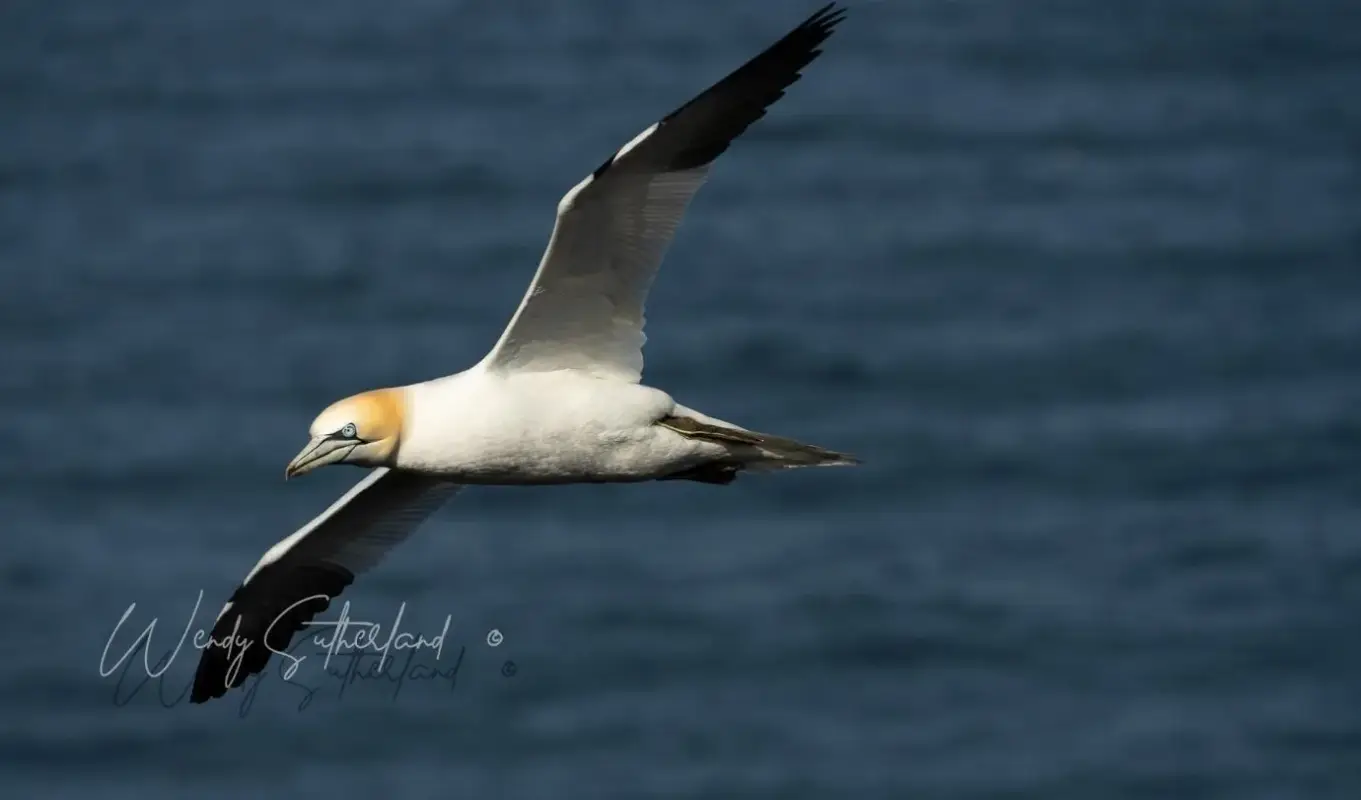
Puffins visit from May to August. Their colourful beaks and waddles have resulted in the nickname the ‘clowns of the sea’, which we think is a bit harsh for such a hardy bird. Spending much of their life at sea, they return to land to rear their young. Guillimots, Kittiwakes, and Fulmars can be spotted in places like Castle Sinclair Girnigoe, and the Castle of Old Wick. There are large Puffin colonies at Duncansby Stacks and Dunnet Head. Remember, it is illegal to disturb nesting birds.
- Caithness Seacoast – run seabird trips in the summer.
- Wick’s riverside is a real wildlife haven, and just a short distance inland. Bird watchers are in for a treat with waders like redshank, turnstone, dunlin and snipe. Others are also regularly spotted exploring the riverbanks, while herons can often be seen standing watch in the shallows. The Riverside is a perfect spot to relax and lose a few hours with nature.
- Parking for the Riverside walk: ///gobbling.seashell.colonies
You may also spot an owl lifting off from a fence-post when you drive past in the dusk, or a murmuration of starlings just before sunset, or hear skeins of geese creaking across the sky.
Wild mammals
There’s an entire warren of rabbits by the Wick River campsite! And if you are the first to drive down a country lane for a while, you may spot a stoat – or a whole family of stoats – rippling across the road. Or you might set a hare running down the lane ahead of you, or spot otters on the river.
- Scroll through the Scottish Wildlife Trust’s Species Finder for mammals, birds, cetaceans and other wildlife

Wild flowers
The heady smell of the whins – bright yellow wild gorse – fills the air on still days in the spring. While wild honeysuckle and wild roses often line the hedgerows in the summer. You might spot sea thrift and lichens on walls by the sea, or wild clover in open grassland, and bog cotton in wetter fields. It’s a lovely treat to spot purple orchids, and of course you should look out for Scotland’s national flower, the thistle.
- Identify wildflowers with namethatplant.org

Butterflies and other insects
Caithness is usually free from that curse of the West Coast, the Highland Midge. So be sure to look out for butterflies and other beautiful insects.
- Identify insects with the Seek app by iNaturalist

Dark Skies and the Northern Lights
If you come here near in misdummer, you’ll find it’s twilight at midnight here in Wick, and you can see clearly at 11:00pm. Of course that means our winters are dark, but a glimpse of the Aurora makes up for that.
They used to say “When the mirrie dancers play, they are like to slay”. So this natural wonder has always been seen as wild and lively, if a bit dangerous. And “mirrie” means “shimmering”, with nothing to do with Christmas.
Certainly, our dark skies are a wonderful place to see stars, planets and the milky way. And you may be lucky between September and April and see the Aurora too. If it is forecast, it is best to be somewhere with a clear, dark skies and a good view north.
You may think there’s a low grey cloud blocking your view, but actually that IS Aurora. We’re colour-blind at night, but don’t despair. Use your phone on Night Mode to see the Mirrie Dancers’ true colours. And do be careful in the dark. Take a torch, and wrap up warm.
- Get general forecasts from the NOAA
- The Glendale App and Hello Aurora give detailed crowd-sourced data in real time
- Noss Head car park is a good spot, but watch out for potholes – ///shimmered.eruptions.rotate
The Ancient Past
Follow the Yarrows Trail walking 5,000 years back in time, on a two and a half mile roue past chambered cairns and the sites of round houses to the Yarrows Broch.
Particular sites of interest are Camster Cairns, the Cairn o’Get, Achanavinch Standing Stones, and the Hill o’Many Stanes. And you can find out about Brochs at the Broch Centre near Augkengill, and on the Broch Project website, and explore two of them at Yarrows and Nybster.
Camster Cairns – ///slant.bottle.bedrock
Cairn o’Get – ///duet.dusty.cherished
Achavanarich – ///splashes.frame.ghost
Hill o’Many Stanes – ///snatched.humans.crackling
The Broch Centre – ///mankind.collected.pigtails
South Yarrows Broch – ///centuries.person.inserted
Nybster Broch – ///ending.guarding.ourselves
